
Lead Time for HDI PCBs From a Manufacturer
With HDI PCBs, a manufacturer can pack more circuitry into a smaller space than traditional through-hole technology. This makes them ideal for modern devices that prioritize miniaturization, power, and performance. In turn, the resulting high-density boards require a shorter production time than standard PCBs to get them to market.
The key to reducing lead times for hdi pcb manufacturer is design efficiency, which starts with the creation of your prototype board. If your design follows DFM guidelines, it will align with your manufacturer’s capabilities and reduce the risk of errors that delay production. In addition, double-checking Gerber format and layer naming conventions can prevent your manufacturer from encountering any issues while processing your order.
Another important step is using a quick-turn manufacturer that can deliver your finished product on time. If your project has a tight timeline, a fast turnaround manufacturer can ensure your components arrive on time and your final PCB is ready to ship. In addition, a quick-turn manufacturer will often have pre-fabricated parts in stock, which can cut down on the overall turnaround time for your project.
When working with a quick-turn manufacturer, it’s also crucial to practice good Design for Manufacturability (DFM). This includes ensuring that your Gerber files match up with the manufacturer’s capabilities. Incorrect file formats or layer naming can delay your manufacturing and increase your turnaround time. To avoid this, check your files with a professional before sending them to the quick-turn manufacturer.
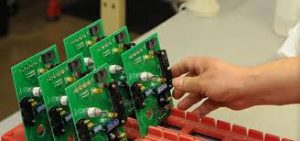
What is the Lead Time for HDI PCBs From a Manufacturer?
One of the biggest applications for HDI technology is medical equipment and implants. These devices need to be small enough to fit into a human body, but they must efficiently allow for high-speed signal transmission. Because of this, they need a special type of PCB.
Medical device manufacturers use HDI PCBs to enhance performance and reduce the size of their products. This enables them to incorporate advanced electronic features into their devices for monitoring, imaging, surgical procedures, and laboratory analysis. In addition, medical device makers are increasingly turning to HDI to power IoT devices in industrial settings like warehousing and manufacturing operations.
A typical HDI PCB consists of multiple layers, with a range of different materials and technologies. These include core materials such as FR4, polyimide, and Rogers, as well as surface finishes like HASL, immersion tin, and gold.


